How Often Should You Schedule an Eye Exam? A Guide to Eye Care in Freeland, MI
Routine eye care is one of the most overlooked parts of personal health, yet regular eye exams can make a meaningful difference in detecting problems early. For residents of Freeland, MI, knowing how often to schedule an eye exam and what to expect can help protect both vision and overall health for years to come.
Many people assume an eye exam is only necessary when something feels wrong. In reality, many eye conditions develop gradually with no obvious symptoms until significant damage has occurred. Consistent vision care in Freeland, MI, means staying ahead of changes before they become harder to address.
How Often Should You Schedule an Eye Exam by Age?
Exam frequency depends on your age and risk factors.
- Infants and Toddlers (Birth to Age 2): Children should have their first comprehensive eye exam around six months of age. Early screenings can help identify conditions that affect development.
- School-Age Children (Ages 3 to 18): An eye exam every one to two years is generally recommended, or more often if a doctor advises it. Vision problems can affect reading, learning, and classroom performance.
- Adults (Ages 18 to 60): Healthy adults with no known eye conditions may do well with an exam every one to two years. Those with contact lenses, a history of eye disease, or chronic conditions such as diabetes may need more frequent visits.
- Older Adults (Ages 61 and Up):
Adults over 60 are at higher risk for glaucoma, cataracts, and macular degeneration. Annual exams are often recommended to monitor changes closely.
What Can an Eye Exam Actually Detect?
A comprehensive eye exam detects far more than blurry vision. Conditions identified may include glaucoma, diabetic retinopathy, cataracts, and early macular degeneration. An exam can also reveal broader health concerns such as high blood pressure, diabetes, and elevated cholesterol through evaluation of the retinal blood vessels.
This is why routine eye care matters even when your eyesight feels normal. Many serious conditions have no early warning signs, and an exam offers a window into overall health that few other screenings can provide.
Vision Screening vs. Comprehensive Eye Exam
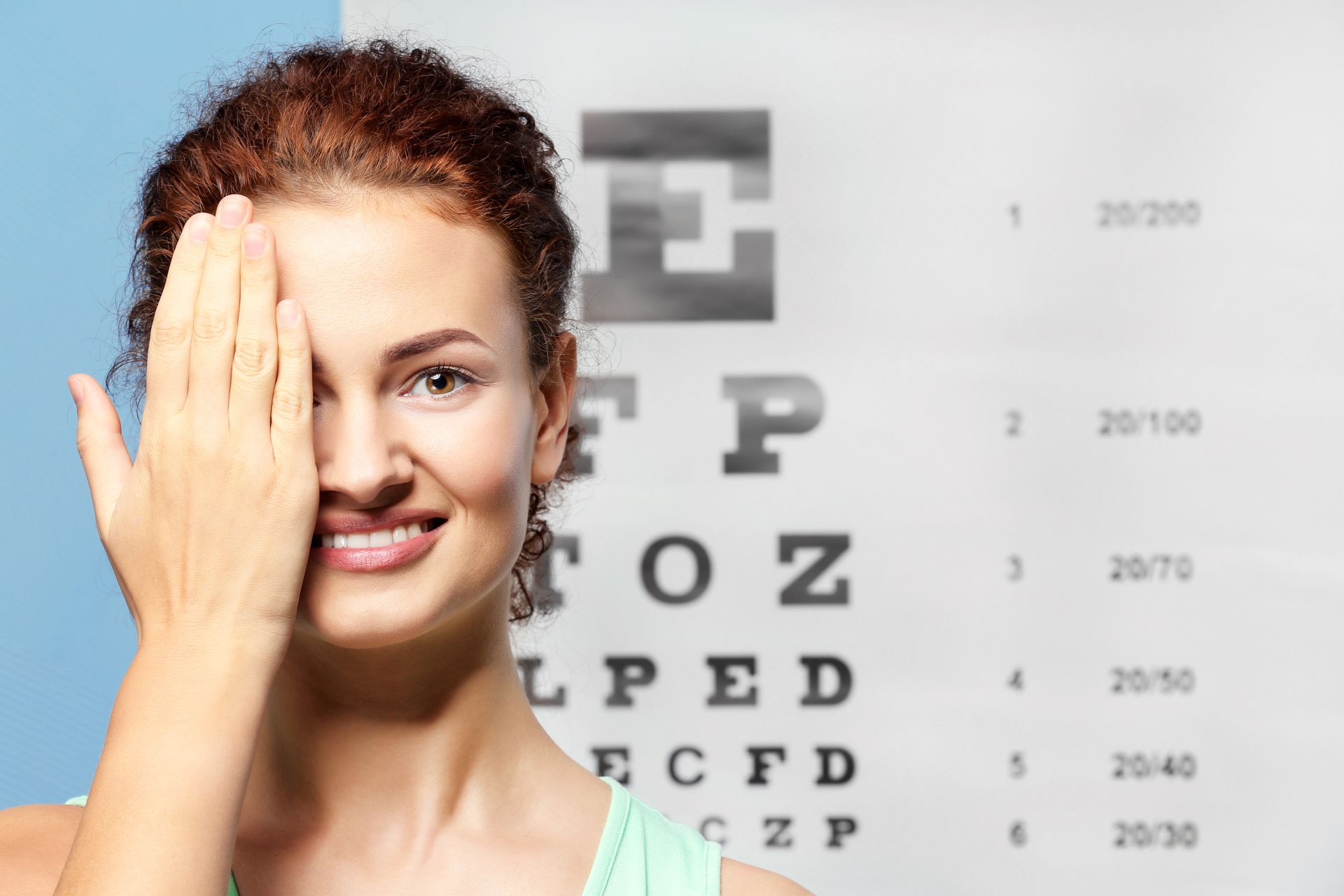
A vision screening and a comprehensive eye exam are not the same thing. Screenings, such as those offered at schools or health fairs, check only basic visual acuity and may miss conditions a full exam would catch.
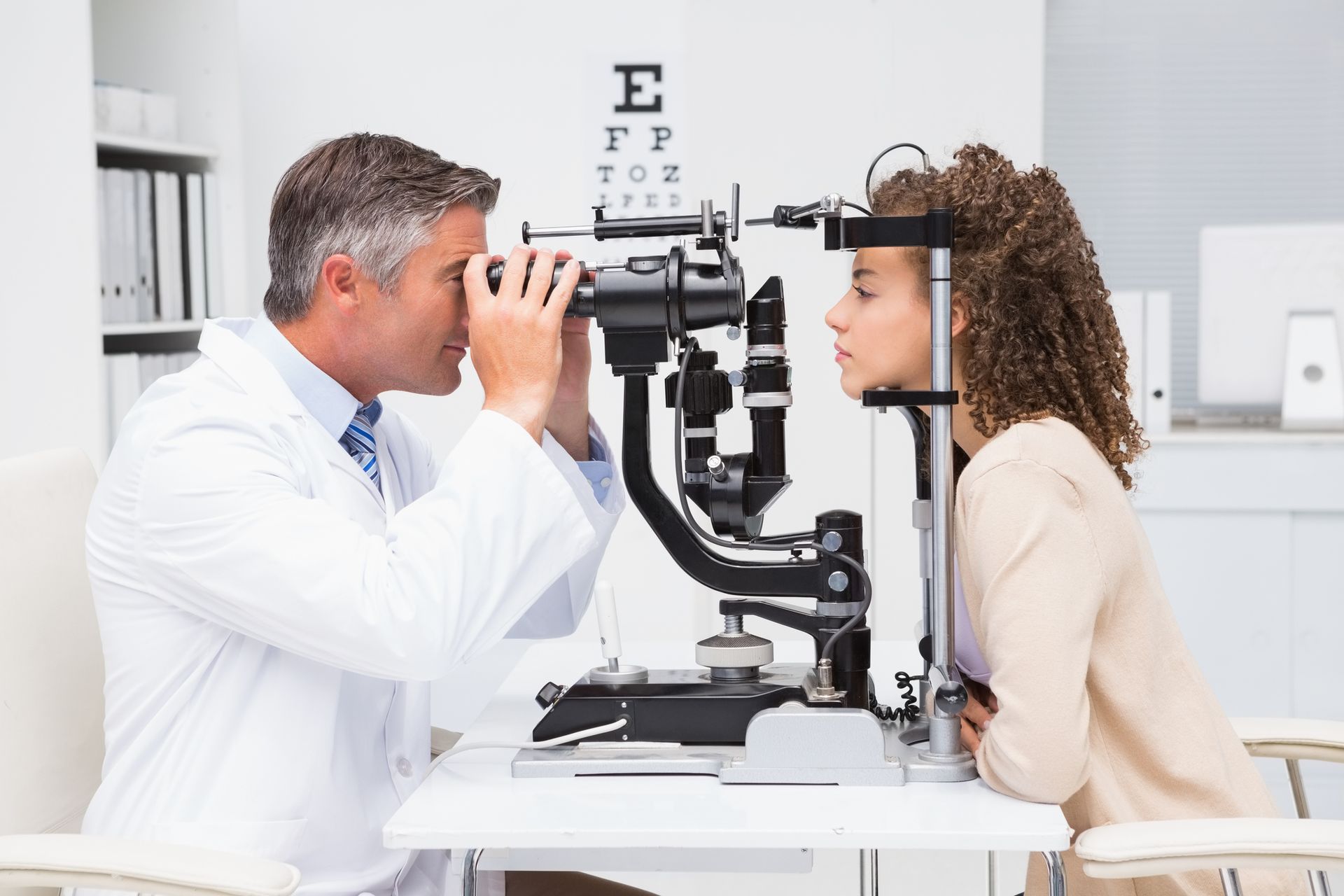
A comprehensive eye exam evaluates the internal and external structures of each eye, including the retina, optic nerve, cornea, lens, and blood vessels. It provides a far more complete picture of eye health than a quick chart reading.
Are Eye Exams Necessary if Your Vision Seems Fine?
Yes. Some of the most serious eye diseases develop slowly without noticeable symptoms in their early stages. Catching these conditions early often allows for a wider range of treatment options.
What Happens During a Comprehensive Eye Exam?
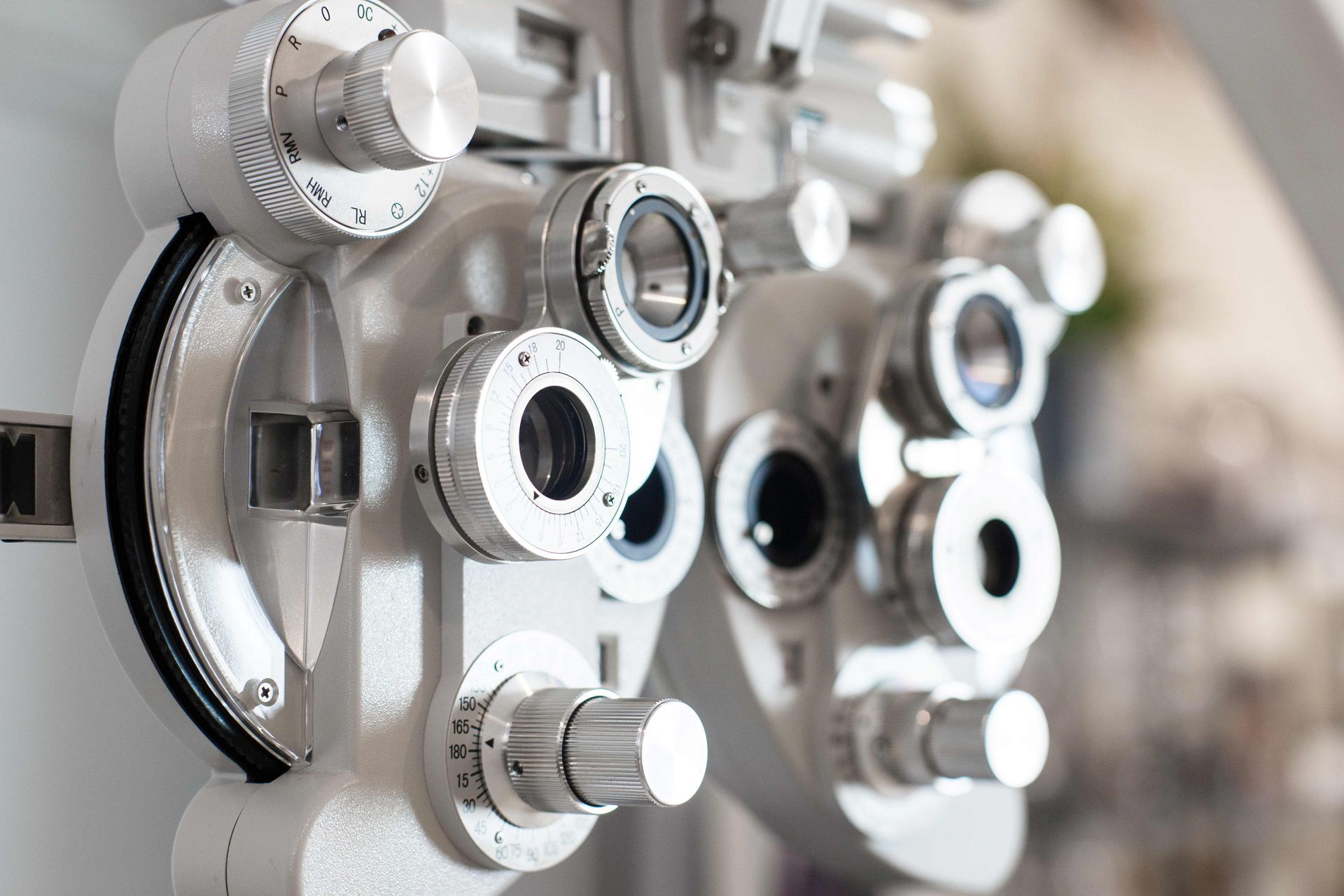
A typical exam includes a review of your health and vision history, tests for visual acuity and refraction, checks for eye alignment and movement, and an evaluation of the internal and external eye structures. Your doctor may also dilate your pupils to get a clearer view of the retina and optic nerve.
Ready to Schedule an Eye Exam Serving Freeland, MI?
Mid-Michigan Eye Care proudly serves Freeland, MI, offering comprehensive eye exams, family vision care, and services for patients of all ages. To learn more, visit the Family and Preventative Eye Care page. When you are ready to book, contact the team online or call (989) 636-7580. You can also find the practice on Google at Mid-Michigan Eye Care.